1000 Worte Forschung: Abgeschlossene Dissertation in Mittelalterlicher...
Digitale Heimatforschung mit Wikidata – ein Workshopbericht über verlinkendes Datendenken
Warum sollten Heimatforschende Wikidata benutzen? In zwei Onlinekursen des Sächsischen Landeskurator...
Das Praxisnetzwerk der HSE: Unterstützung bei der beruflichen Orientierung im Lehramtsstudium
Von Ruurd Bruin Die schulpraktischen Lernphasen stellen einen wichtigen Baustein des Lehramtsstudie...
Quelle: https://hse.hypotheses.org/2803
Magie, Medizin und Materie
English AbstractPDF Wie Materie und im Speziellen Materia Medica, heilende Substanzen...
21. Juli 1621: Ein Rebell wehrt sich gegen Fake News
dk-blog Militärisch und politisch stand es sehr schlecht um die böhmische Sache: Nun kamen auch noc...
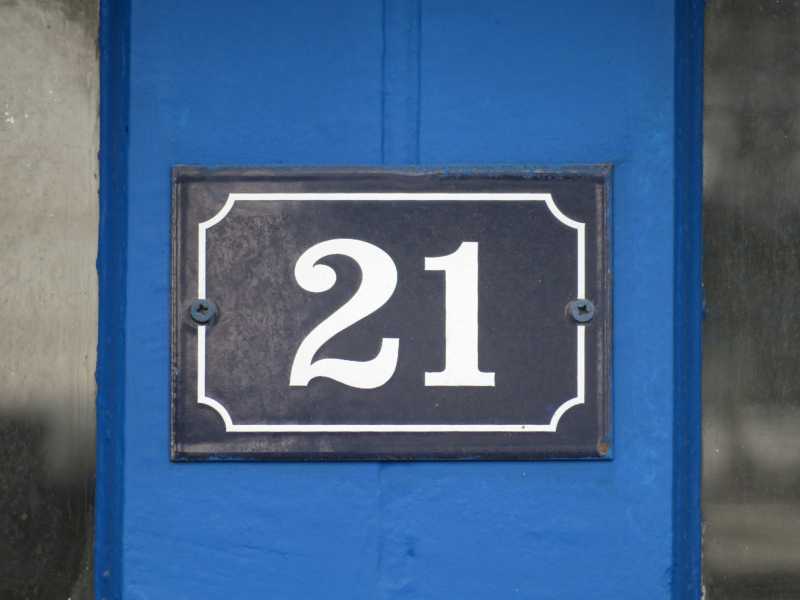
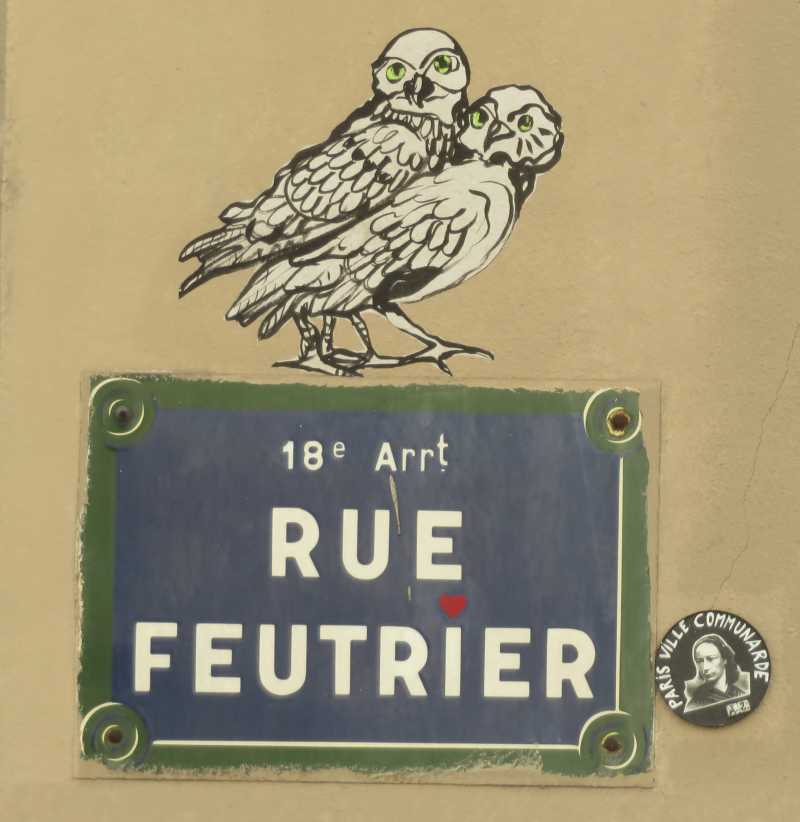
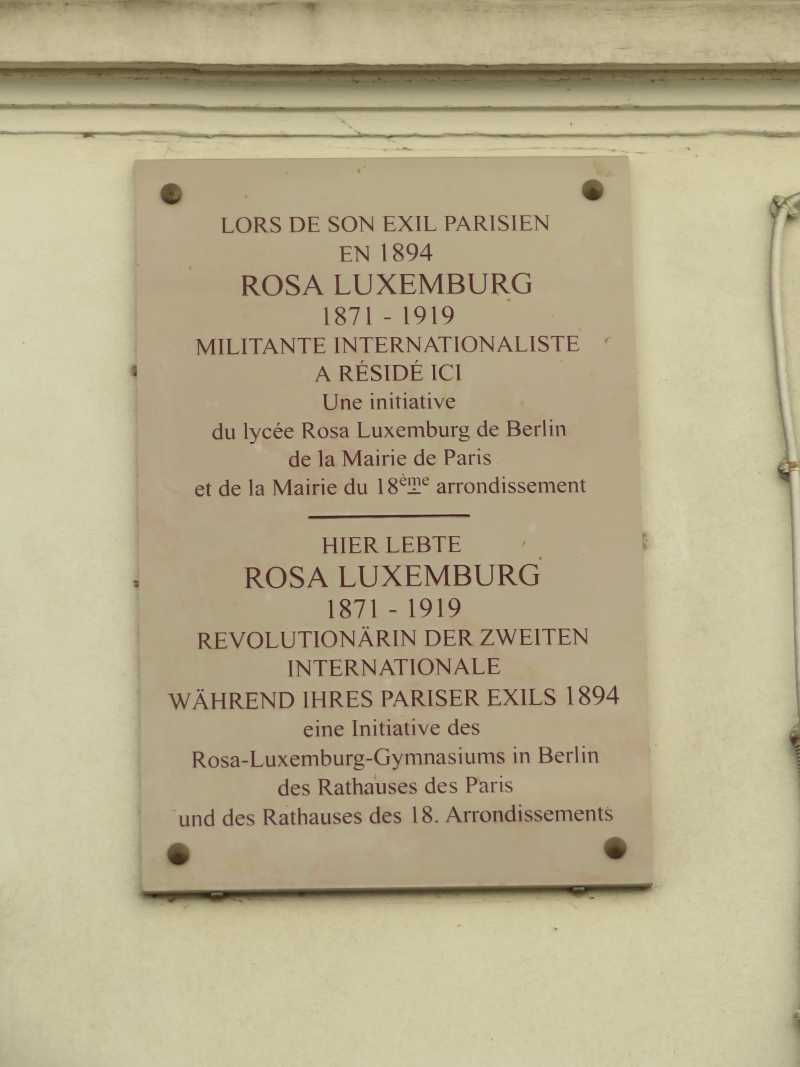
Die Hausnummer von Rosa Luxemburg in der Ville Communarde
Transatlantic Connections of the Women’s Movement in the Long 19th Century: Interview with Britta Waldschmidt-Nelson
Editorial Note: Professor Britta Waldschmidt-Nelson has been Chair of the Transatlantic History and Culture Department at the University of Augsburg since 2016. Previously, she served for five years as Deputy Director of the German Historical Institute in Washington, D.C. Her research focuses on Transatlantic relations, African American history, women’s history, and religious history.
As part of her blog series on the history of the women’s movement in a transatlantic perspective, Marietheres Pirngruber spoke with Professor Waldschmidt-Nelson in April 2021.
Interview: Marietheres Pirngruber
Translation: Erik Brown
During your time at the GHI, you published an anthology on the transatlantic linkages of the women’s rights movement. What fascinates you about this topic?
[...]
Quelle: https://href.hypotheses.org/1995
It’s a Match – Ein Machine Learning Ansatz zur Erforschung mittelalterlicher Handschriften
Hannah Busch stellte im Rahmen des Kolloquiums Digital Humanities – Aktuelle Forschungsprojekte das...
Quelle: https://dhc.hypotheses.org/1620
Veranstaltungsrückblick: FORUM digital „GESUNDHEIT – KRISE(N) – DEMOKRATIE“
Autor/-innen: Nikolaus Gründahl und Paula Voigt In welchem Zustand befindet sich uns...
Public Humanities als offene Bühne oder: Warum Wissenschaft in Social Media auch Spaß machen soll
Hinweis: Dies ist der Originalbeitrag auf Deutsch, geschrieben von Simon Meier-Vieracker (TU Dr...