Quelle: https://visual-history.de/2026/02/08/neuscheler-24-hours-in-cyberspace/
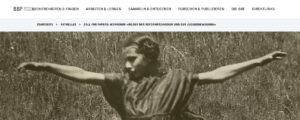
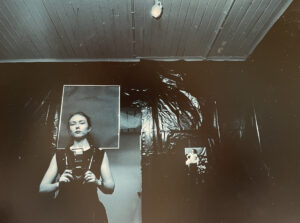
150 Fotojournalist:innen auf der ganzen Welt dokumentierten am 8. Februar 1996 „24 Hours in Cyberspace“. Der 8. Februar besaß als Datum keine besondere Bedeutung. Vielmehr ging es den Initiator:innen des Projekts darum, einen „ordinary day“ zu zeigen. Zu diesem Zeitpunkt war die erste öffentliche Webseite der Welt noch keine fünf Jahre alt.
CfP: Workshop „Bilder der Reformpädagogik und der Jugendbewegung“
Der gemeinsame Workshop der BBF, der Pädagogischen Hochschulen Thurgau und der Nordschweiz, der Humboldt-Universität zu Berlin (HU) und der Georg-August-Universität Göttingen widmet sich dem Thema „Inszenierung“ insbesondere mittels Film und Fotografie in der Reformpädagogik und Jugendbewegung.
Gender Battles in Women’s Comics of the Second-Wave Feminist Era
In this political and cultural context, as women challenged patriarchal relations within social movement organizations, or seceded from them to form women-only groups, women artists turned to the comic form as a new vehicle for self-expression.
Customs and Declarations: Research Strategies for Uncovering the Hidden History of a Black Woman Photographer
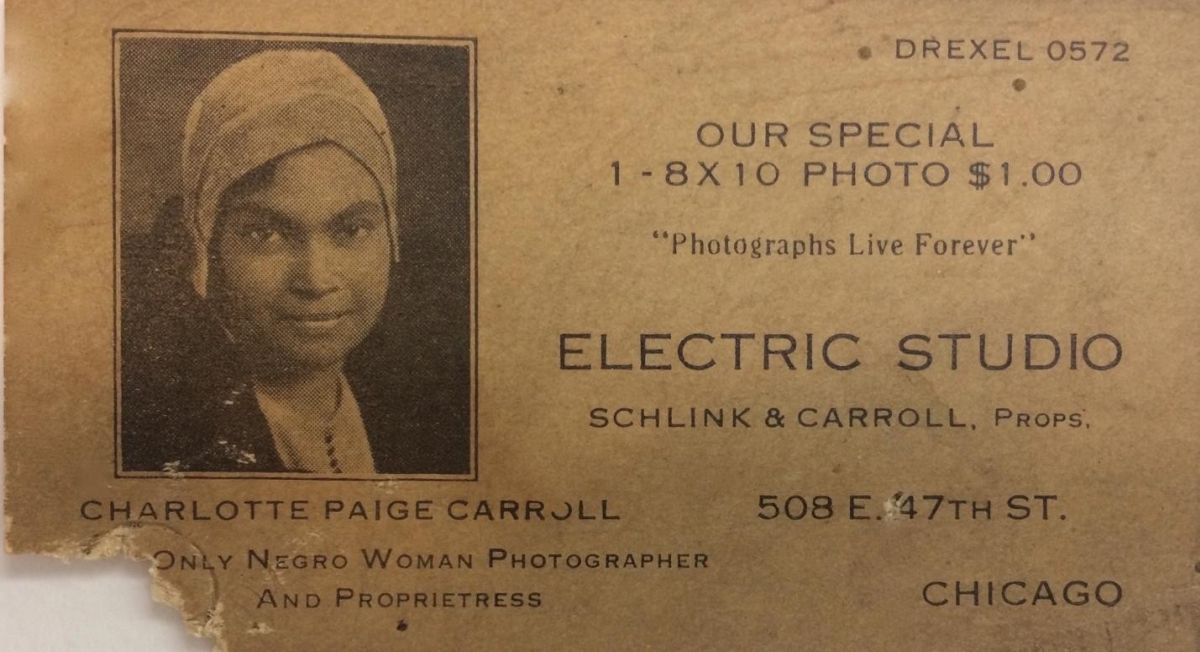
For those of us engaged in photographic histories concurrent with the nineteenth century development of the technology of photography, there is a notable lacuna in our awareness of the contributions made by Black women. For this article, I would like to present the process of my becoming aware of the work of Charlotte Paige Carroll, an African American woman photographer active in Chicago during the 1920s-1940s.
Quelle: https://visual-history.de/2025/10/27/mooney-customs-and-declarations/
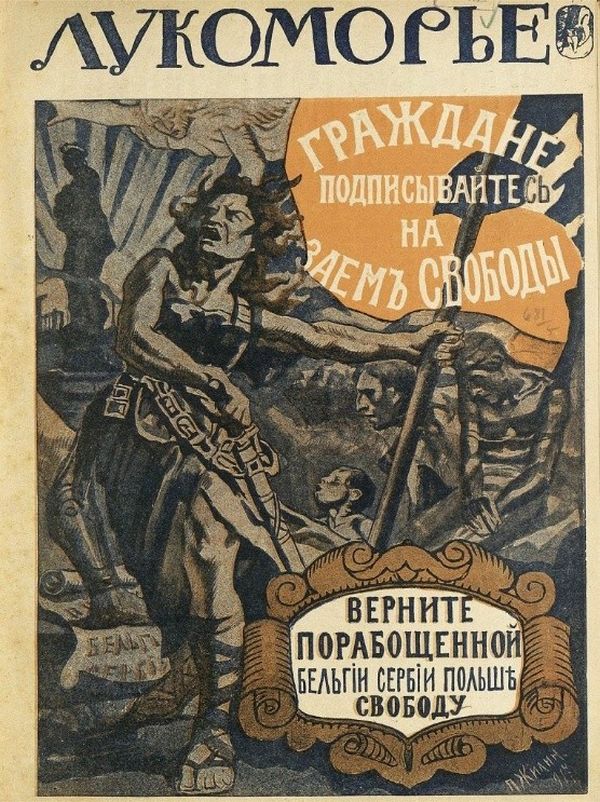
Gendered Bodies on Soviet Posters, 1917-1924
In this essay, I explore the visual representation of women's backwardness in the Soviet Revolution. I ask how early Soviet artists conveyed this backwardness – especially as synonymous not only with ignorance, but also with “darkness” and a lack of revolutionary consciousness. How did they compose posters for the masses in those early years of Soviet power, especially during the extensive civil and national wars of 1917-1921? How and why was gender such an important part of that visual imagery?
Quelle: https://visual-history.de/2025/10/20/wood-gendered-bodies-on-soviet-posters-1917-1924/
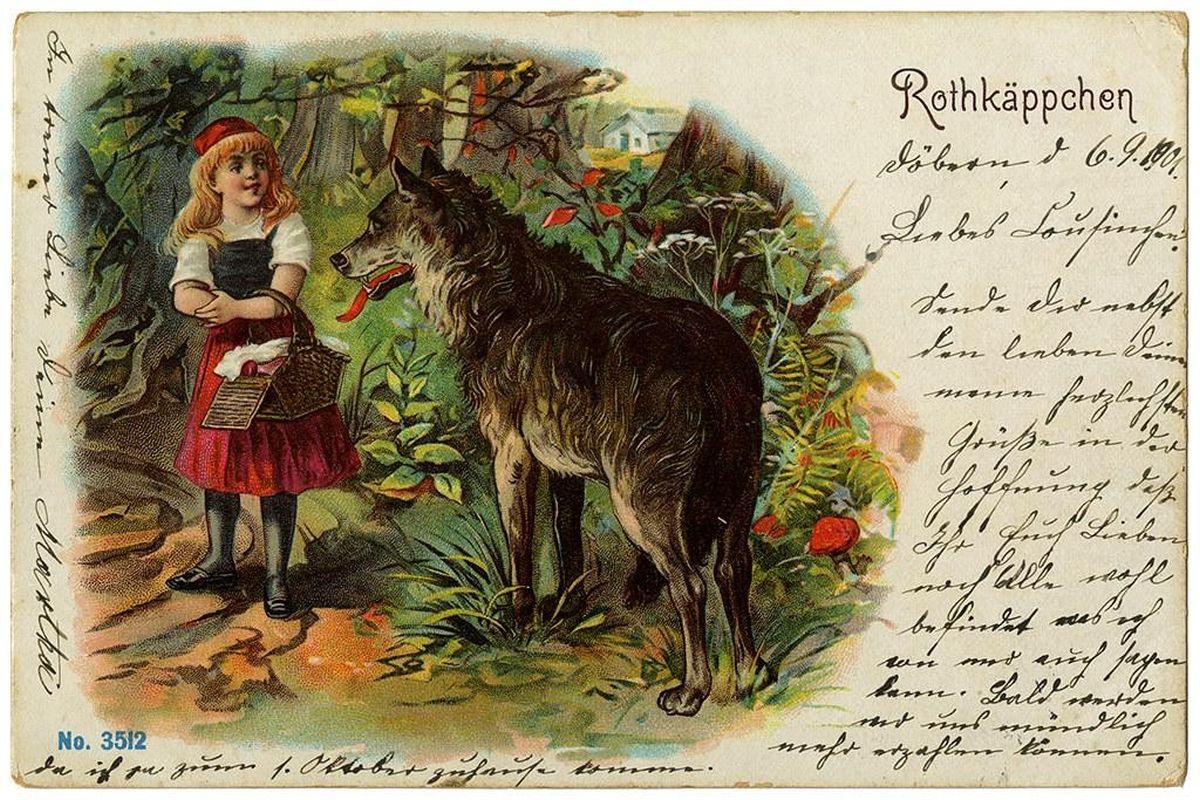
Ambiguous Representations of Gender in Late Eighteenth- and Early Nineteenth-Century Illustrations in German Children’s Literature
My analysis of ambivalent representations of gender and sexuality in children’s book illustrations centers on publications for middle-class German readers between 1776 and 1845 – a somewhat overlooked yet foundational milieu of modern children’s literature. I have found that these images at times invoke hegemonic ideas about gender while at others deviate from those norms – occasionally even within the same text.
Putting Images to Work – Gender and the Visual Archive
Putting Images to Work: Constructing, Complicating and Subverting Gender As cultural products, images are infused with notions of gender – notions, which are, of course, specific to the times and places in which these images originate. For gender historians, they are fascinating artefacts, but often also frustratingly difficult to interpret. This dossier presents the […]
Fotografie und Nachhaltigkeit. Perspektiven für das Sammeln und Ausstellen
Wie kann Fotografie nachhaltig produziert, kuratiert und bewahrt werden?
Quelle: https://visual-history.de/2025/06/02/fotografie-und-nachhaltigkeit/
Rezension: Gerhard Paul, Die Bundesrepublik. Eine visuelle Geschichte
In der Einleitung bezeichnet Gerhard Paul etwas kokett die Bundesrepublik Deutschland als „alte Dame“, aus deren „Bilderschatz“ er ein „Album“ zusammengestellt habe (S. 15) – ist er doch selbst kaum jünger und somit ihre Geschichte mit der seinen nahezu deckungsgleich (Disclaimer: die des Rezensenten auch). Ganz in der Tradition mikrohistorischer Bildforschung stellt Paul fast […]
53. Cologne Media Conversations, 14./15. Mai 2024
Die 53. Cologne Media Conversations mit Nausikaä El-Mecky, Universitat Pompeu Fabra, Barcelona, finden statt als Abendveranstaltung am 14. Mai 2024 (Dienstag, öffentlich ohne Anmeldung) sowie als Masterclass am 15. Mai 2024 (Mittwoch, mit Anmeldung).
Quelle: https://visual-history.de/2024/05/13/53-cologne-media-conversations/