We invite scholars who are using historical photographs in their research on gender, sexuality, and space to gather and present their papers at the Visual History Now Conference. Much like historical texts, historical photographs need particular tools, competences, and methods for analysis to unfold their making, uses, and reception. And just like texts, photographs can […]
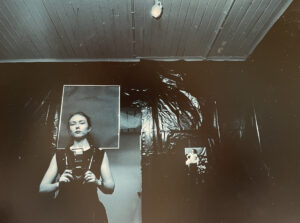
Picture Me: Presenting Queer Visual History
In our project, Picture Me, we engage with a burgeoning interest in queer Finnish history and with scholarship from the German tradition of visual history to consolidate a new research field called queer visual history.
Quelle: https://visual-history.de/2026/02/24/jukes-picture-me-presenting-queer-visual-history/
Gender Battles in Women’s Comics of the Second-Wave Feminist Era
In this political and cultural context, as women challenged patriarchal relations within social movement organizations, or seceded from them to form women-only groups, women artists turned to the comic form as a new vehicle for self-expression.
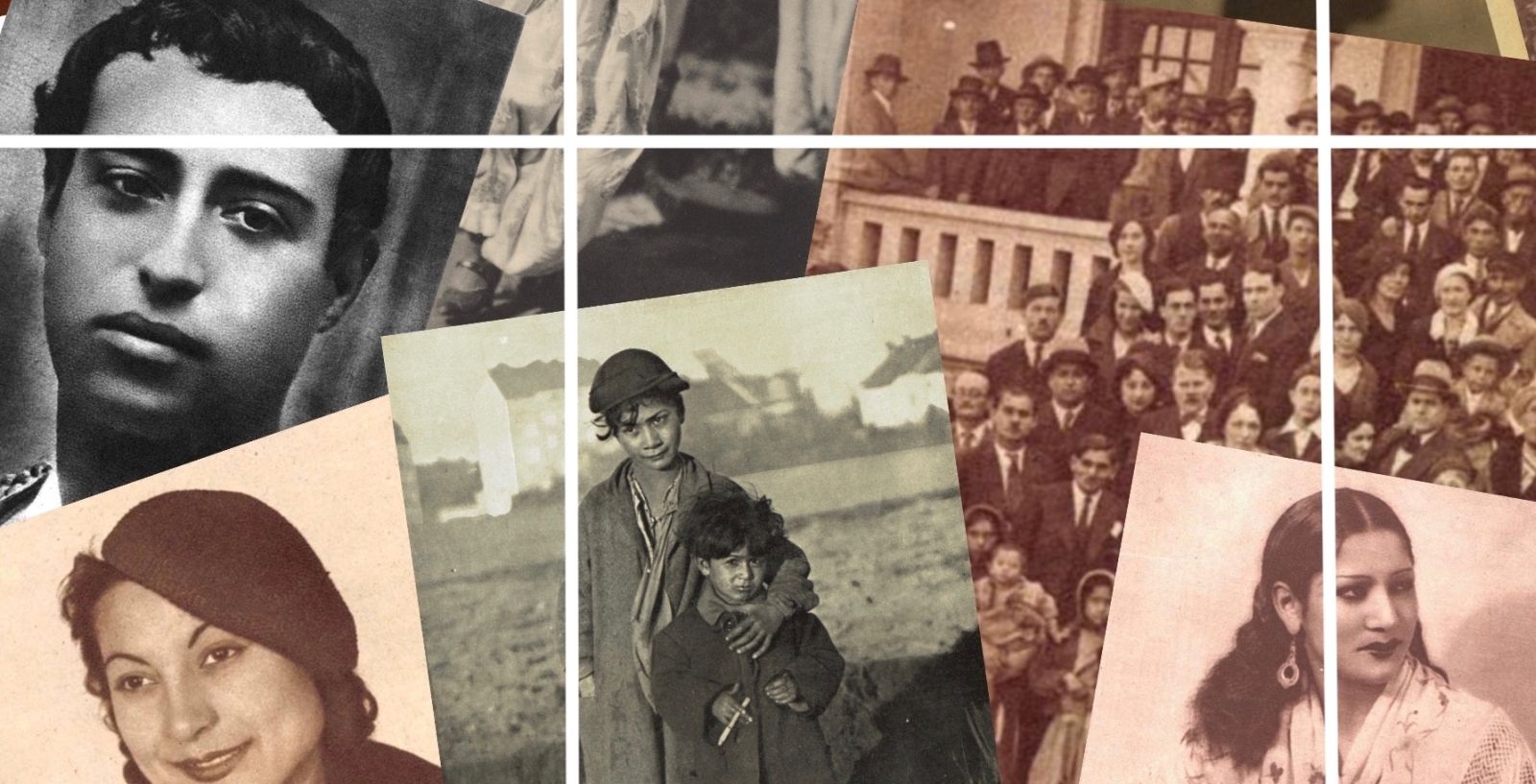
International Workshop: Gazes / Countergazes. Roma and Sinti in Photography
On February 26, 2026, a workshop on the photographic representation of Sinti and Roma will take place at the University of Vienna.
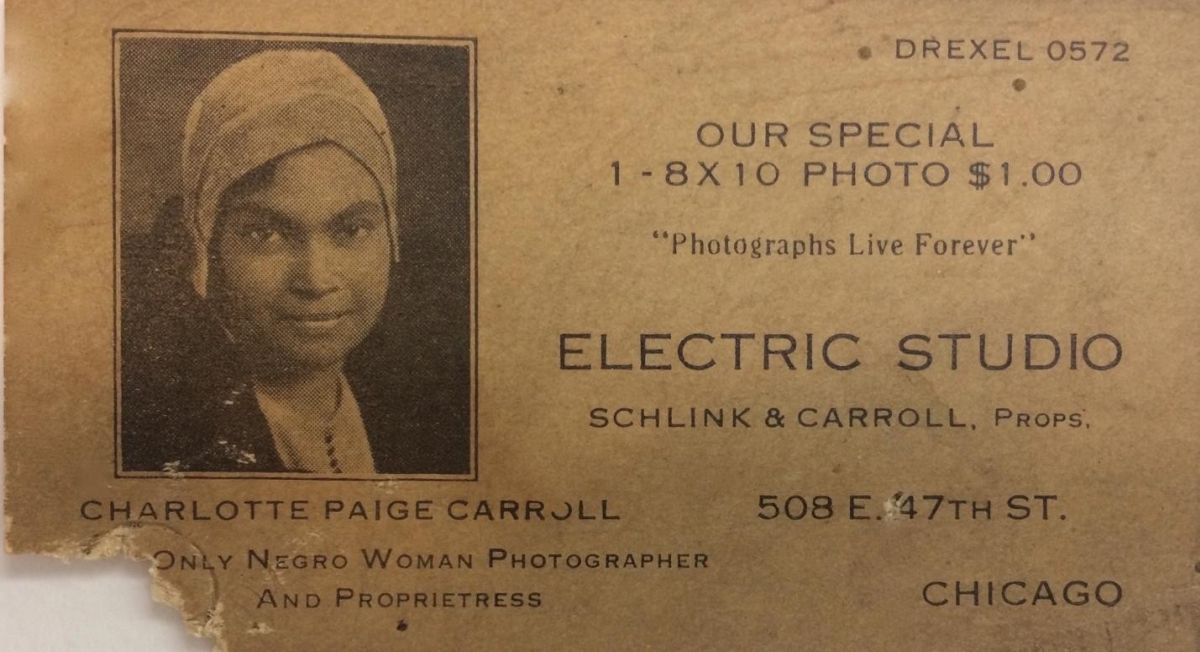
Customs and Declarations: Research Strategies for Uncovering the Hidden History of a Black Woman Photographer
For those of us engaged in photographic histories concurrent with the nineteenth century development of the technology of photography, there is a notable lacuna in our awareness of the contributions made by Black women. For this article, I would like to present the process of my becoming aware of the work of Charlotte Paige Carroll, an African American woman photographer active in Chicago during the 1920s-1940s.
Quelle: https://visual-history.de/2025/10/27/mooney-customs-and-declarations/
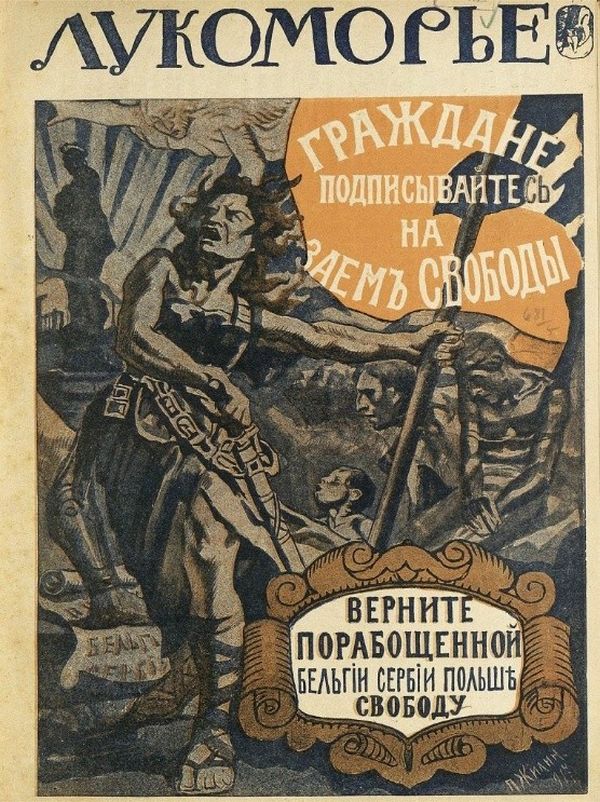
Gendered Bodies on Soviet Posters, 1917-1924
In this essay, I explore the visual representation of women's backwardness in the Soviet Revolution. I ask how early Soviet artists conveyed this backwardness – especially as synonymous not only with ignorance, but also with “darkness” and a lack of revolutionary consciousness. How did they compose posters for the masses in those early years of Soviet power, especially during the extensive civil and national wars of 1917-1921? How and why was gender such an important part of that visual imagery?
Quelle: https://visual-history.de/2025/10/20/wood-gendered-bodies-on-soviet-posters-1917-1924/
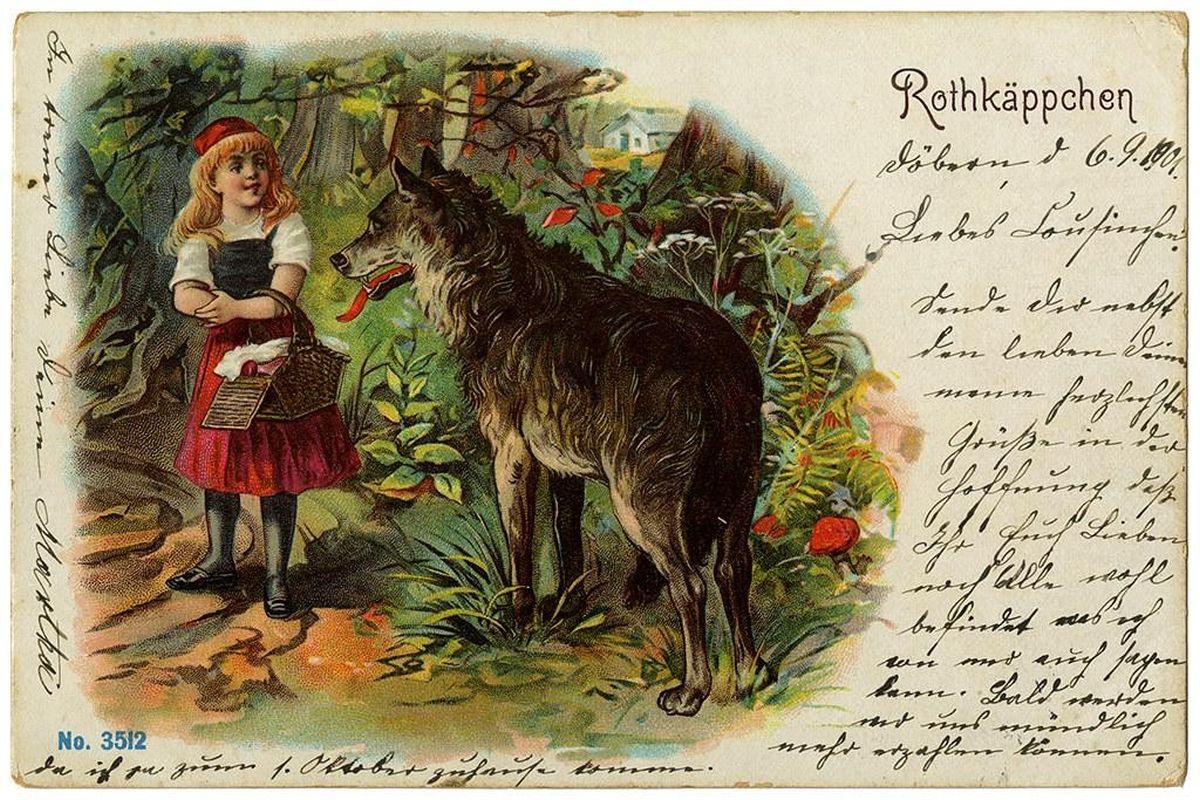
Ambiguous Representations of Gender in Late Eighteenth- and Early Nineteenth-Century Illustrations in German Children’s Literature
My analysis of ambivalent representations of gender and sexuality in children’s book illustrations centers on publications for middle-class German readers between 1776 and 1845 – a somewhat overlooked yet foundational milieu of modern children’s literature. I have found that these images at times invoke hegemonic ideas about gender while at others deviate from those norms – occasionally even within the same text.
Theme Dossier: Putting Images to Work – Gender and the Visual Archive
The thematic dossier “Putting Images to Work – Gender and the Visual Archive,” edited by Christina Benninhaus and Mary Jo Maynes, presents the work of historians who use visual sources to explore gender. This work was first discussed at the 2023 Berkshire Conference on the History of Women, Gender, and Sexuality. The authors draw […]
Amidst Wind and Sky: An Interview with Amanullah Mojadidi
Amanullah Mojadidi (born 1971 in Jacksonville) is an American conceptual artist and curator of Afghan descent. His parents left Kabul in the late 1960s, long before the country became a battleground of never-ending conflicts. His father’s eldest brother was Sibghatullah Mojadidi (1926-2019), who served as the acting president of Afghanistan for two months after […]
CfP: What Will Photography Be? An Invitation to Speculate
In February 2026, the Essen Center of Photography will host its third international symposium. We are interested in ideas about photography’s future roles in social, artistic, scientific, and everyday realms. We invite critical speculations that refer to three strands of interest: (1) technologies and aesthetics, (2) theories and methods, and (3) politics and agencies. We […]
Quelle: https://visual-history.de/2025/07/04/cfp-what-will-photography-be-an-invitation-to-speculate/